
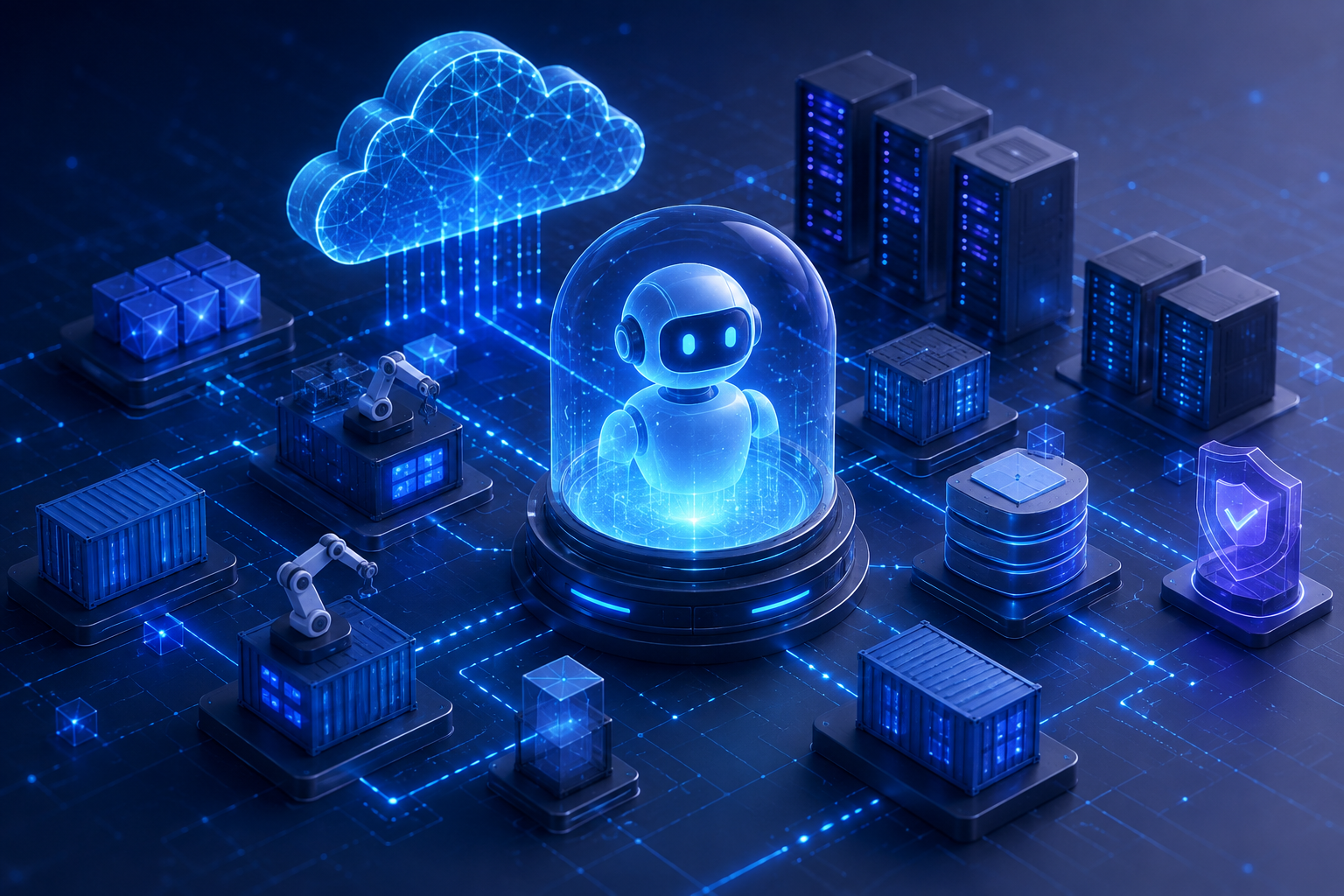
The Cloud Native Infrastructure AI Agents Need to Scale

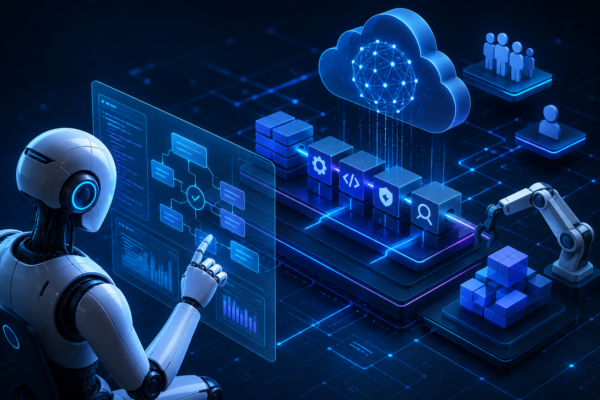
The move in AI agents towards more complex agents that do multi-step operations, call on other services and APIs, adapt to the environment, and take action changes the problem of infrastructure itself. The central question isn’t just how to deploy an AI model, but which kind of infrastructure is capable of containing, authorizing, observing, and…
Read More

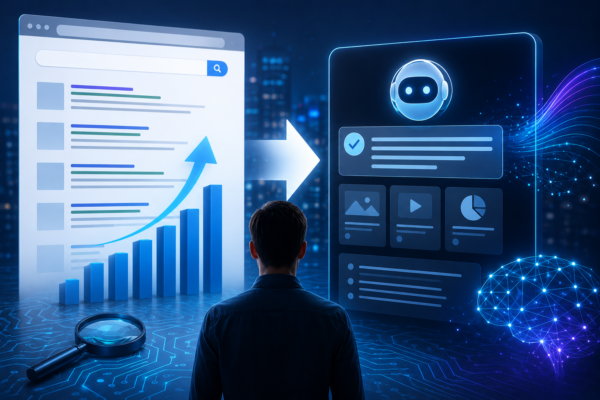
From Search Rankings to AI Answers: The New Marketing Playbook for eLearning Providers

By 2026, the world of conventional SEO will have given way to AI-enabled searches. Google, Bing, and ChatGPT are now offering direct answers to users’ questions without even a single click on a link to a website. The introduction of AI-enabled searches such as Google’s AI Mode and Search Generative Experience (SGE), which offers conversational…

Read More

Why AI Agents Need Platform Engineering: The Next Evolution of Software Delivery

Enterprise software delivery is entering a new era in which AI and platform engineering must work hand in hand. Recent research underscores this point: in a platform engineering survey of 900+ organizations, 55% reported having adopted internal developer platforms, and an overwhelming majority view AI and platforms as co-dependent.  “86% of respondents believe that platform…

Read More

From Search Rankings to AI Answers: The New Rules of Digital Visibility

There has been a paradigm shift in digital visibility. No longer is it sufficient to have visibility within the first page; modern search engines powered by AI technologies are providing instant responses and AI-powered summaries that can bypass traditional links. This includes AI layers in the search engines of Google, Microsoft, and OpenAI (“AI Overviews”…

Read More

Quantum-safe readiness at scale: migrating after NIST’s PQC standards

Executive summary In August 2024, NIST completed its initial set of standards for post-quantum cryptography. The completed standards include FIPS 203 (ML-KEM) for key establishment, and FIPS 204 (ML-DSA) and FIPS 205 (SLH-DSA) for digital signatures. According to NIST, the standards are “available for use now; they can no longer wait,” and institutions ought to…

Read More

Quantum Computing and the Looming Threat to Cryptographic Security

Quantum computing offers both significant risks and advantages. It was initially developed to accelerate progress in fields such as drug discovery, materials science, batteries, superconductors, and fertilisers, and to solve complex problems more efficiently (Bauer et al., 2020, pp. 12685-12717). The primary advantage of quantum computers over classical counterparts lies in their use of quantum…

Read More