



Fashion’s Role in Promoting Healthy Body Image
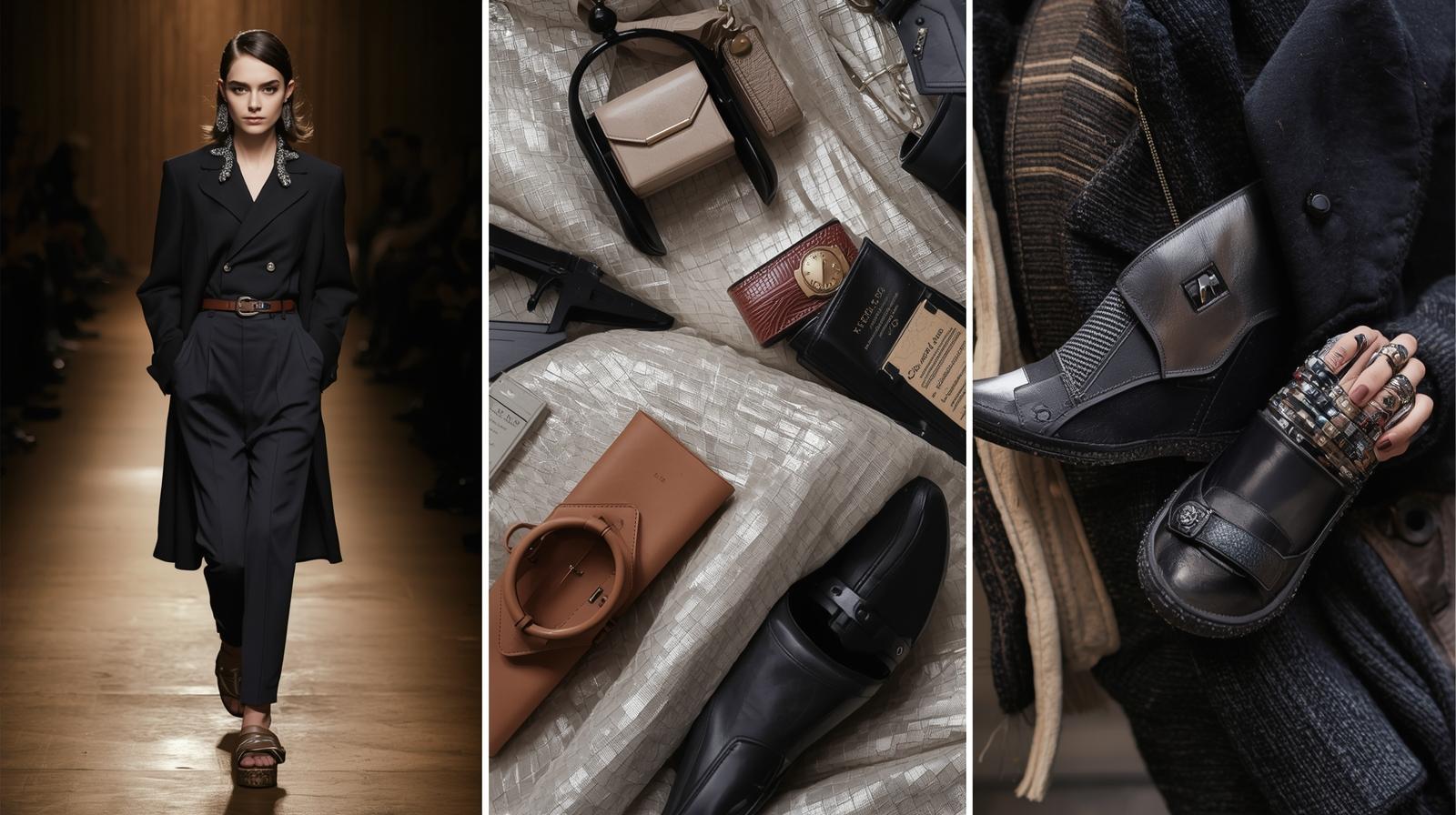
Fashion is a significant medium of self-expression, enabling individuals to communicate identity, values, and personality without verbal interaction. However, the fashion industry’s influence on body image and self-esteem is substantial and not always constructive. In recent years, fast fashion brands such as Shein, Temu, and Fashion Nova have risen in popularity due to their low-cost products and rapid turnover of trends. While these brands may appear attractive because of their affordability and constant release of new styles, they often reinforce harmful narratives surrounding body image. Ideally, fashion should serve as a celebration of individuality and body positivity, emphasising quality, authenticity, and empowerment rather than conformity.
The Fast Fashion Cycle: Prioritising Trends Over Identity
Fast fashion brands operate by continuously promoting short-lived trends, encouraging consumers to frequently replace their wardrobes to remain fashionable. Companies such as Shein, Temu, and Fashion Nova introduce thousands of new designs each week, often suggesting that wearing the latest styles will enhance attractiveness and social relevance. This constant pressure to remain “on-trend” raises concerns about its impact on personal identity and self-worth.
Promotion of Unrealistic Body Standards:
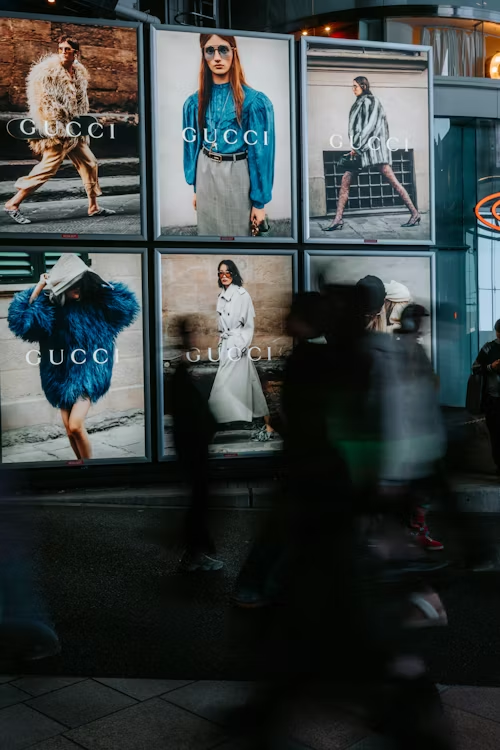
Fast fashion marketing frequently features clothing modelled on highly idealised and often unattainable body types. This narrow representation of beauty can contribute to body dissatisfaction, particularly when consumers feel compelled to fit these standards to look fashionable.
Pressure to Conform:
The rapid turnover of trends suggests that styles are temporary and quickly outdated, creating pressure to continuously adapt one’s appearance. As a result, fashion can begin to feel like a competitive cycle rather than a genuine form of self-expression.
The Culture of Disposable Fashion:
Fast fashion promotes excessive consumption, where garments are purchased inexpensively, worn briefly, and then discarded. This practice not only poses environmental concerns but also reduces clothing to a temporary commodity, stripping fashion of its personal and expressive value.
Fashion as a Platform for Body Positivity
Fashion should affirm individuality rather than enforce unrealistic ideals. A body-positive approach to fashion emphasises inclusivity, self-acceptance, and the freedom to develop a personal style independent of trends.
Inclusive Representation:
Brands that support body positivity prioritise diverse representation, featuring models of varying sizes, shapes, and appearances. By reflecting real bodies, these brands help foster a healthier and more inclusive relationship between consumers and fashion.
Timeless and Quality-Focused Choices:
Choosing well-made, timeless pieces aligned with personal style supports meaningful self-expression. Unlike trend-driven fashion, such garments enhance individuality and promote confidence without reliance on temporary trends.
Empowerment Through Personal Choice:
Body-positive fashion empowers individuals to select clothing that aligns with their comfort, confidence, and identity. True style is not defined by what is currently fashionable, but by what authentically represents the wearer. Confidence that stems from authenticity remains the most compelling expression of beauty.
Fashion’s Role in Shaping Body Standards
The fashion industry has long promoted a limited range of body types as the ideal, often marginalising those who do not conform to these standards. This narrow representation can foster feelings of inadequacy, dissatisfaction, and negative self-perception among individuals whose bodies fall outside these norms. As a result, fashion plays a significant role in influencing body image and self-esteem, particularly in highly visual and trend-driven environments.
Media as an Amplifier of Fashion’s Influence
Media platforms, including magazines, advertising, and digital content, intensify fashion’s impact by repeatedly showcasing idealised and carefully curated images. These portrayals frequently reinforce unrealistic beauty standards, shaping public perceptions of what is considered normal or desirable. Continuous exposure to such imagery can distort self-image and contribute to unhealthy comparisons.
The Influence of Social Media
Social media has become a powerful force in shaping fashion trends and body image perceptions. Influencers and brands often promote specific styles and body ideals, creating a cycle that reinforces existing beauty norms. This pressure to conform can be particularly intense for young audiences, who are highly engaged on these platforms and more vulnerable to external validation.
Fashion as a Source of Empowerment
Despite its challenges, fashion also has the potential to support confidence, empowerment, and self-expression. When individuals feel comfortable and represented in what they wear, fashion can positively influence self-esteem and encourage acceptance of diverse body types. In this way, fashion can challenge traditional beauty standards rather than reinforce them.
Fashion and Self-Expression
Personal style allows individuals to express their identity, values, and creativity. Choosing clothing that aligns with one’s preferences rather than societal expectations can help reclaim body confidence and resist restrictive norms. Embracing diversity in style and appearance contributes to a more inclusive and accepting fashion culture.
Cultural Influences on Body Image

Cultural norms play a crucial role in shaping perceptions of beauty and body ideals. Standards of attractiveness vary widely across societies, influenced by history, tradition, and social values. Recognising these cultural differences is essential for promoting body positivity and challenging harmful stereotypes on a global scale.
Psychological Effects of Fashion on Body Image
Fashion’s emphasis on idealised appearances can have significant psychological consequences. Research has linked exposure to unrealistic fashion imagery with body dissatisfaction, anxiety, and reduced self-esteem. In extreme cases, these pressures may contribute to disordered eating behaviours and other mental health concerns.
Social Comparison and Fashion
Social comparison theory explains how individuals evaluate themselves by measuring their appearance against others. In fashion contexts, this often involves comparing one’s body to idealised images presented in media, which can lead to feelings of inadequacy and a desire to alter one’s appearance to meet unrealistic expectations.
The Impact of Fashion Trends
Rapidly changing fashion trends can intensify body image concerns by promoting the idea that certain body types are better suited to current styles. This can create anxiety for individuals who lack the resources or physical characteristics associated with these trends, reinforcing exclusion rather than expression.
Challenging Unrealistic Beauty Standards
Efforts to challenge restrictive body standards are gaining momentum. Body positivity movements and inclusive fashion campaigns promote diverse representations of beauty, encouraging acceptance and self-worth. These initiatives aim to shift the industry toward greater inclusivity and authenticity.
The Importance of Representation
Representation matters in shaping how individuals view themselves. When fashion media reflects a wide range of body types, sizes, and identities, it helps normalise diversity and fosters healthier self-perception. Inclusive representation supports greater confidence and social acceptance.
Sustainable Fashion and Body Image
Sustainable fashion practices can positively influence body image by encouraging mindful consumption and ethical choices. Aligning personal values with fashion decisions can strengthen self-respect and promote a healthier relationship with one’s body, free from trend-driven pressure.
Fashion, Identity, and Economic Forces
Fashion is both a cultural and economic system. While it can support identity formation, particularly among young people, it is also influenced by industries that profit from body insecurity. Marketing.
Conclusion
Fashion can enhance confidence and self-worth when it is embraced as a form of self-expression rather than a response to fleeting trends. By moving away from the fast fashion mindset and prioritising body positivity, individuals can contribute to a healthier, more inclusive fashion culture that values authenticity and individuality.
At Kargede, we are committed to supporting this shift by promoting quality craftsmanship, self-expression, and body inclusivity. We invite you to explore our collection and discover thoughtfully designed pieces that celebrate individuality. Ultimately, the most meaningful fashion statement is one that authentically represents who you are—confident, distinctive, and true to yourself.