




PR strategies for TikTok, Instagram, X, YouTube
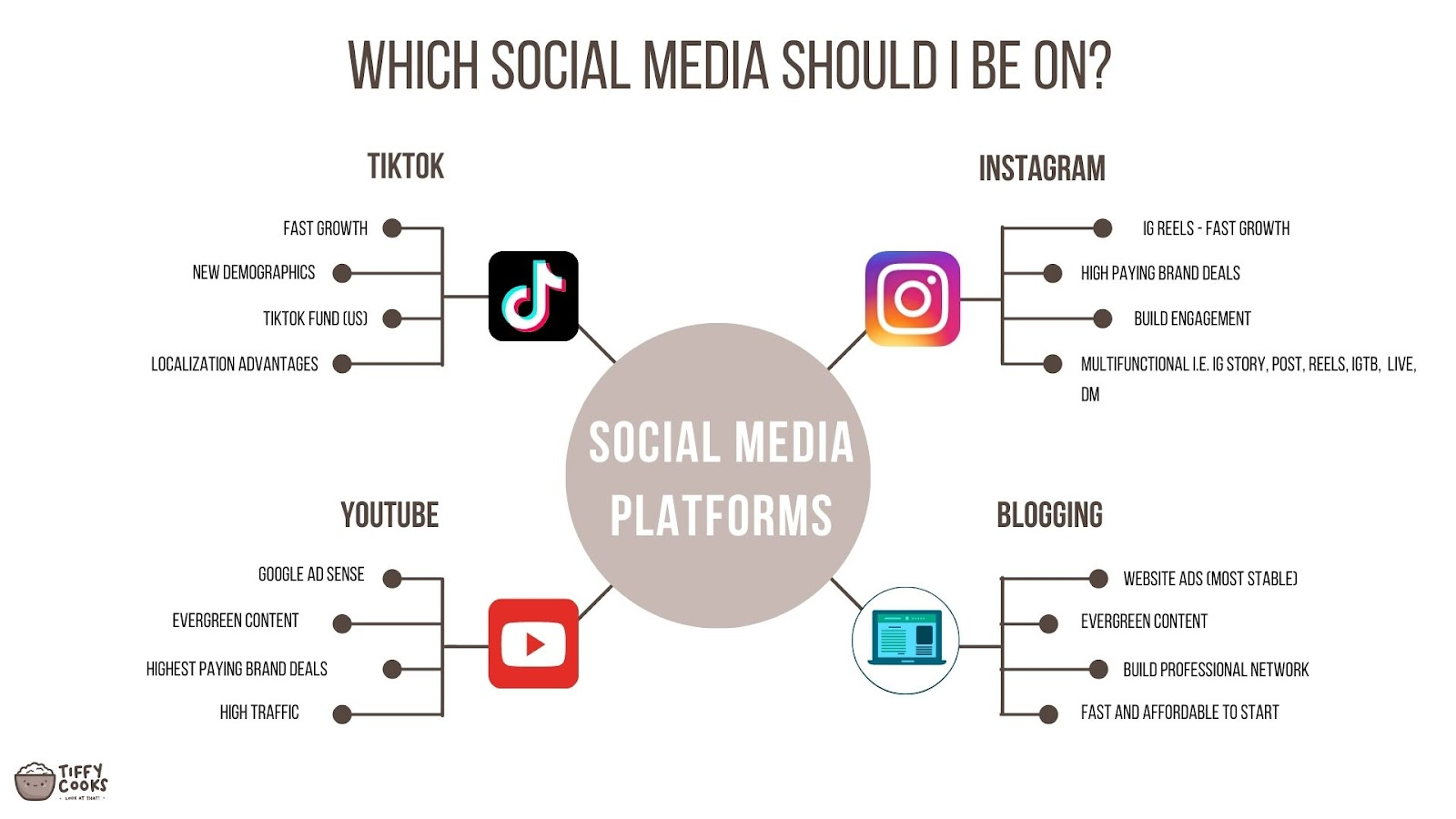
In today’s digital landscape, social media is no longer a distribution channel; it is a reputation engine. Each platform serves a distinct purpose in how brands communicate, build trust, and influence decision-making. Businesses that succeed are not those that post everywhere, but those that understand how and why audiences use each platform and tailor their content accordingly.
This overview examines how brands can strategically use YouTube, Instagram, X (Twitter), and TikTok, focusing on clarity, relevance, and performance rather than volume or trends.
YouTube: The Foundation of Trust and Conversion
YouTube has evolved into one of the most influential platforms for brand authority and purchasing decisions. With billions of users and extensive daily watch time, it functions as both a content hub and a search engine. Audiences do not come to YouTube to scroll casually; they come to learn, compare, and decide.
For brands, YouTube is most effective when used to deliver clear, valuable, and well-structured video content. Educational videos, explainers, product walkthroughs, and long-form storytelling perform strongly because they establish credibility and allow audiences to spend meaningful time with the brand. Optimisation plays a critical role in titles, descriptions, captions, and thumbnails, which directly influence discoverability on both YouTube and Google.
Short-form formats such as YouTube Shorts complement long-form content by attracting new audiences and directing them toward deeper videos. When used together, they create a content ecosystem that supports visibility, trust, and conversion.
Instagram: Visual Identity and Audience Connection
Instagram is a relationship-driven platform built around visuals and short attention spans. Users engage with brands that communicate clearly, consistently, and aesthetically. Success on Instagram is less about information density and more about recognition, tone, and presence.
Short videos dominate the platform, making Reels the most effective format for reach and engagement. Brands that perform well use Instagram to show, not tell, what they stand for. This includes behind-the-scenes content, simplified education, product demonstrations, and community-focused storytelling.
Rather than aggressive promotion, Instagram rewards brands that prioritise clarity, visual coherence, and interaction. Consistent posting and genuine engagement in comments and messages strengthen brand familiarity and trust over time.
X (Twitter): Authority Through Timely Communication
X is a real-time communication platform where relevance is defined by speed, clarity, and perspective. Brands use X most effectively when they participate in conversations rather than broadcast messages. It is a space for positioning, not persuasion.
Thought leadership, industry insights, and timely responses to trends or news allow brands to demonstrate awareness and authority. Overly promotional messaging tends to underperform, while concise commentary and clear opinions resonate more strongly.
For PR and communications teams, X plays a critical role in reputation management. It is often the first platform where narratives form, making tone, accuracy, and consistency essential.
TikTok: Discovery, Creativity, and Cultural Relevance
TikTok is a discovery-first platform driven by emotion, creativity, and rapid engagement. Users decide within seconds whether content is worth their attention, which makes strong openings and clear storytelling essential.
Brands succeed on TikTok by understanding that users are not looking for advertisements; they are looking for entertainment, relatability, and value. Content that feels human, timely, and culturally aware performs far better than polished promotional videos. Participation in trends must be intentional and aligned with brand identity, not forced.
Engagement on TikTok extends beyond posting. Responding to comments, interacting with other creators, and contributing to conversations significantly increase visibility and trust. Accessibility, inclusive language, and clear captions are also central to sustainable performance on the platform.
Conclusion: One Strategy, Four Distinct Roles
Each social platform serves a unique function in a brand’s communication strategy. YouTube builds depth and trust, Instagram reinforces identity and connection, X establishes authority and relevance, and TikTok drives discovery and cultural alignment.
A professional social media strategy is not about repeating the same message across platforms. It is about adapting the message to the behaviour, expectations, and mindset of each audience. Brands that respect these differences position themselves not only for visibility, but for long-term credibility and growth.