




What a Viral Hashtag Can Do to a Brand’s Reputation
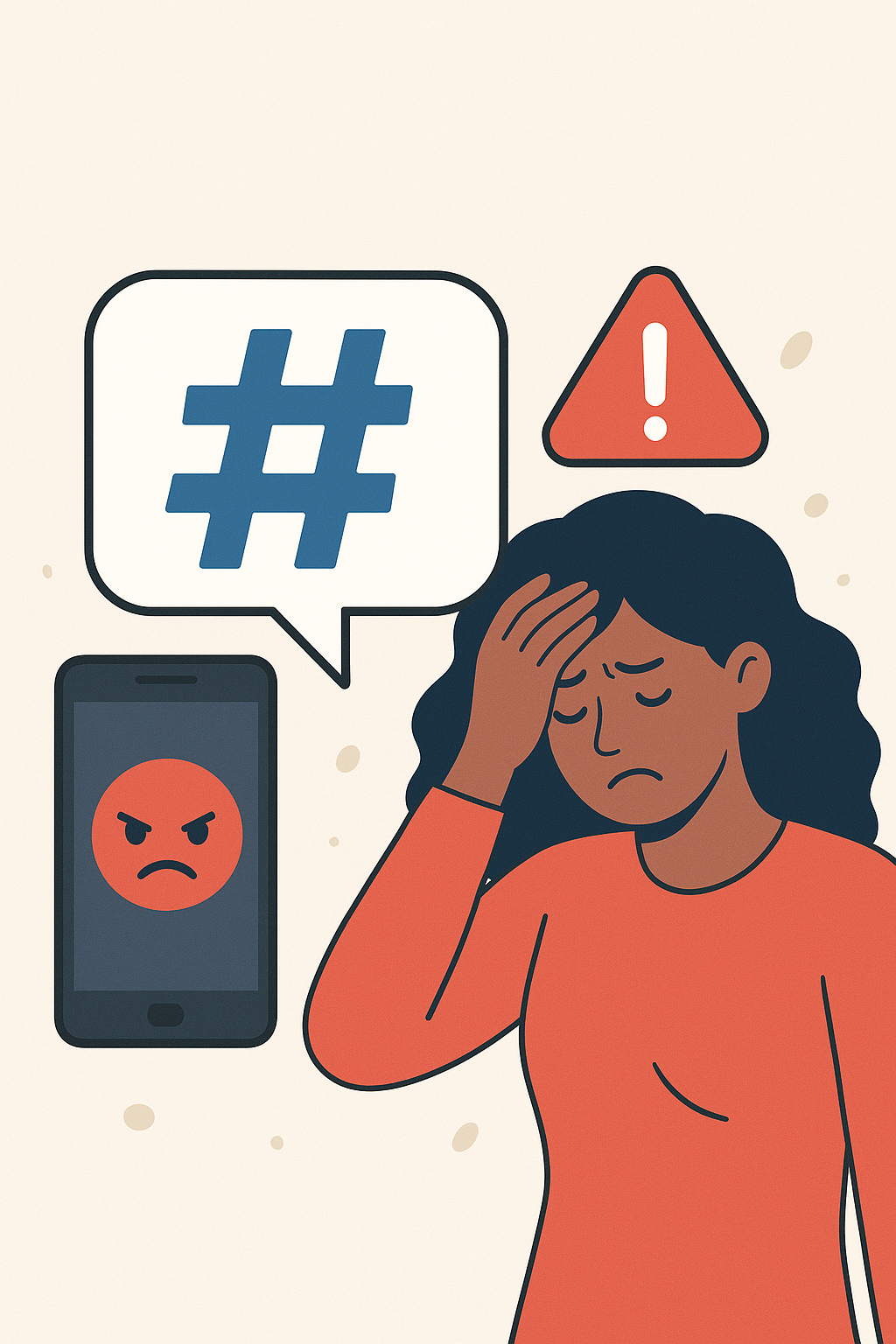
In today’s fast-paced social media landscape, a single hashtag can quickly reshape a brand’s reputation. Hashtags offer opportunities for organic reach, engagement, and authentic connections, but they also carry risks if public sentiment turns negative. This can create immediate crises that demand skilled reputation management. To succeed online, brands must maintain an authentic voice and uphold strong ethical standards, as social platforms make any missteps highly visible. Effective hashtag management includes using monitoring tools like Hootsuite or Brandwatch, setting alerts for shifts in sentiment, and engaging promptly with audience feedback.
A successful hashtag campaign can greatly increase brand advocacy. A relatable or inspiring hashtag encourages user-generated content, turning customers into brand promoters. This engagement builds goodwill, humanizes the brand, and provides social proof that can boost sales and loyalty. For example, Apple’s #ShotOniPhone campaign has achieved international recognition, winning a Grand Prix award for Creative Effectiveness at the 2025 Cannes Lions International Festival of Creativity, according to a report from MacRumors. (Rossignol, 2025) Similarly, Coca-Cola’s #ShareACoke campaign generated over 500,000 photos and a 4.7% sales increase during its initial launch, demonstrating the commercial value of a well-executed viral strategy. (Coca-Cola’s “Share a Coke” Campaign, 2014)
To mitigate such risks, brands should anticipate potential pitfalls and prepare accordingly. Companies can conduct thorough pre-campaign analysis to identify any phrases or messaging that could be misinterpreted. Additionally, testing the campaign with focus groups or using sentiment analysis tools can help gauge potential public reactions. Creating contingency plans and establishing guidelines for a rapid response team ensures that any negative outcomes can be addressed swiftly. Engaging brand evangelists and creating a positive hashtag narrative prior to the launch can also help shape the conversation in a favorable direction.
Navigating this precarious landscape requires a sophisticated approach to communication that transcends traditional, slow-moving PR strategies. Brands must have systems in place to monitor social listening in real-time to detect the emotional temperature of the online conversation immediately. When a crisis hits, authenticity and speed are paramount; sincere apologies and clear action plans must replace defensive corporate jargon. To effectively implement this, brands can model the ‘Golden Hour’ response strategy, emphasizing the importance of taking decisive action within 60 minutes. This approach involves four critical steps: listening to quickly understand the scope of the issue, assessing the potential impact on the brand, formulating a sincere and transparent response, and providing ongoing updates to keep stakeholders informed.
The 2005 Dell customer service fiasco, which went unaddressed for too long by the company, shows the danger of delayed responses, as negative word-of-mouth spread unchecked via blogs and early social media platforms, solidifying a negative brand image for years.
Furthermore
Ultimately, the power of the viral hashtag underscores a fundamental shift in the relationship between brands and consumers. Reputation is no longer built solely in boardrooms or advertising agencies; it is forged and potentially fractured in the dynamic, often unpredictable arenas of social media. The data shows that while hashtags can boost reach and engagement significantly (posts with hashtags can see over 12% more engagement), this tool must be wielded with caution and a deep understanding of the audience. An ethical core and a commitment to customer values are the best defences in an age where a few simple characters preceded by a hash symbol can determine a company’s fate.\
In today’s fast-paced social media landscape, a single hashtag can quickly reshape a brand’s reputation. Hashtags offer opportunities for organic reach, engagement, and authentic connections, but they also carry risks if public sentiment turns negative. This can create immediate crises that demand skilled reputation management. To succeed online, brands must maintain an authentic voice and uphold strong ethical standards, as social platforms make any missteps highly visible. Effective hashtag management includes using monitoring tools like Hootsuite or Brandwatch, setting alerts for shifts in sentiment, and engaging promptly with audience feedback.
A successful hashtag campaign can greatly increase brand advocacy. A relatable or inspiring hashtag encourages user-generated content, turning customers into brand promoters. This engagement builds goodwill, humanizes the brand, and provides social proof that can boost sales and loyalty. For example, Apple’s #ShotOniPhone campaign has achieved international recognition, winning a Grand Prix award for Creative Effectiveness at the 2025 Cannes Lions International Festival of Creativity, according to a report from MacRumors. (Rossignol, 2025) Similarly, Coca-Cola’s #ShareACoke campaign generated over 500,000 photos and a 4.7% sales increase during its initial launch, demonstrating the commercial value of a well-executed viral strategy. (Coca-Cola’s “Share a Coke” Campaign, 2014)
To mitigate such risks, brands should anticipate potential pitfalls and prepare accordingly. Companies can conduct thorough pre-campaign analysis to identify any phrases or messaging that could be misinterpreted. Additionally, testing the campaign with focus groups or using sentiment analysis tools can help gauge potential public reactions. Creating contingency plans and establishing guidelines for a rapid response team ensures that any negative outcomes can be addressed swiftly. Engaging brand evangelists and creating a positive hashtag narrative prior to the launch can also help shape the conversation in a favorable direction.
Navigating this precarious landscape requires a sophisticated approach to communication that transcends traditional, slow-moving PR strategies. Brands must have systems in place to monitor social listening in real-time to detect the emotional temperature of the online conversation immediately. When a crisis hits, authenticity and speed are paramount; sincere apologies and clear action plans must replace defensive corporate jargon. To effectively implement this, brands can model the ‘Golden Hour’ response strategy, emphasizing the importance of taking decisive action within 60 minutes. This approach involves four critical steps: listening to quickly understand the scope of the issue, assessing the potential impact on the brand, formulating a sincere and transparent response, and providing ongoing updates to keep stakeholders informed.
The 2005 Dell customer service fiasco, which went unaddressed for too long by the company, shows the danger of delayed responses, as negative word-of-mouth spread unchecked via blogs and early social media platforms, solidifying a negative brand image for years.
Furthermore
Ultimately, the power of the viral hashtag underscores a fundamental shift in the relationship between brands and consumers. Reputation is no longer built solely in boardrooms or advertising agencies; it is forged and potentially fractured in the dynamic, often unpredictable arenas of social media. The data shows that while hashtags can boost reach and engagement significantly (posts with hashtags can see over 12% more engagement), this tool must be wielded with caution and a deep understanding of the audience. An ethical core and a commitment to customer values are the best defenses in an age where a few simple characters preceded by a hash symbol can determine a company’s fate.}”